Let’s say you want to learn how to draw. You pick up a pencil, find a piece of paper and draw your pet dog. Attempt number 1 isn’t very good, it looks more like a horse than a retriever. Okay so you try again, you flip to a fresh page and draw Rex again. Second attempt is also appalling, the eyes are out of position, the nose is all wrong, it isn’t a very good drawing of a dog.
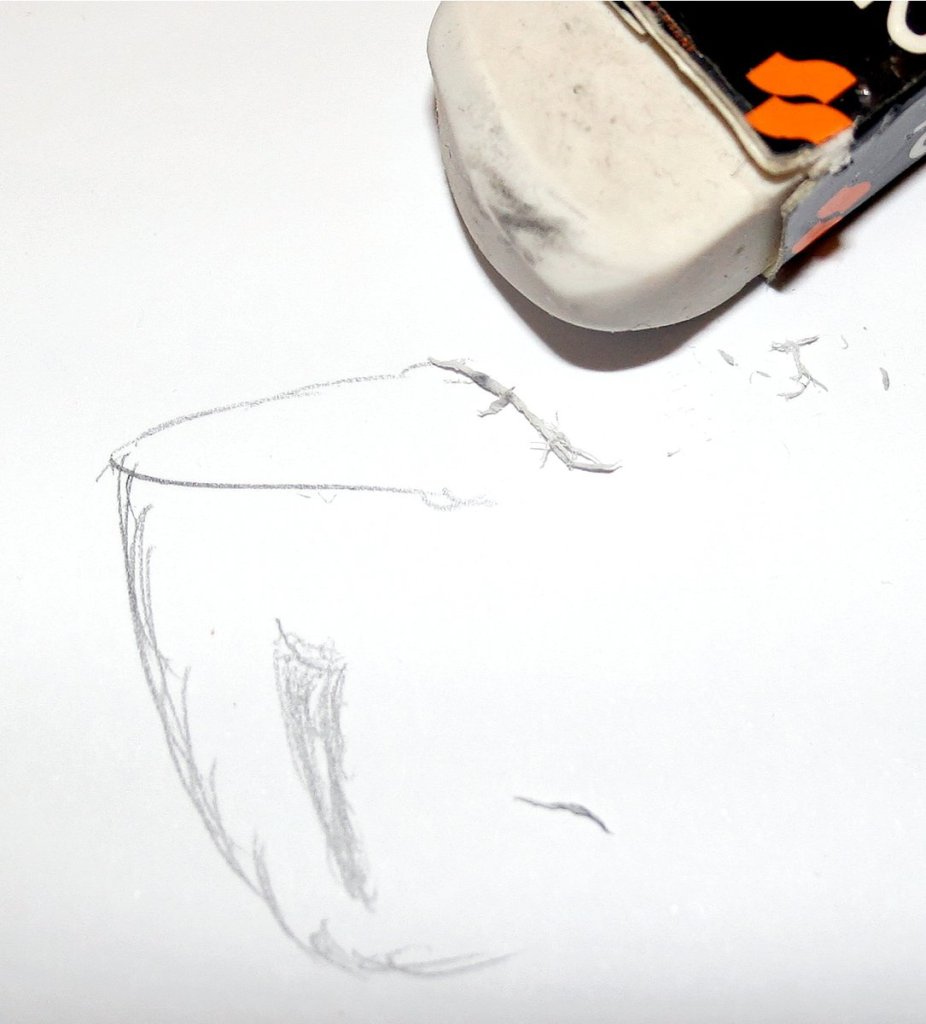
Still practice makes perfect so you plough on, new piece of paper in hand for attempt number 3. But this time you’re more prepared, you find an artist you like, you’re copying their work, their style, you’re comparing your own drawing to theirs. You’ve found a pencil with an eraser on the end. Great, now you’re able to correct mistakes, adapt as you go, re-try the same part again and again, each time making a small tweak here and there until eventually, finally your dog’s nose does in fact look like a dogs nose.
The improvement between attempt number 2 and 3 is remarkable, much more than before. That’s because you’ve done more than practice, you’ve done deliberate practice
Practice makes perfect? Not exactly. Deliberate practice makes perfect.
Deliberate Practice: What is it?
Okay so my example above is an oversimplification but the underlying ideas are there. Let’s take a closer look at deliberate practice.
Deliberate practice can be defined as: “an activity designed to enhance a specific component of performance by giving feedback and providing opportunity for gradual refinement.” (1)
It is more than simple practice, which is the mindless repetition of tasks. Deliberate practice has a specific goal, feedback is readily available, mistakes are corrected.
Deliberate practice is a hot topic in the world of sport and is being utilized in almost every sport to maximise training and performance outcomes.
Why are Brazilians so good at football?
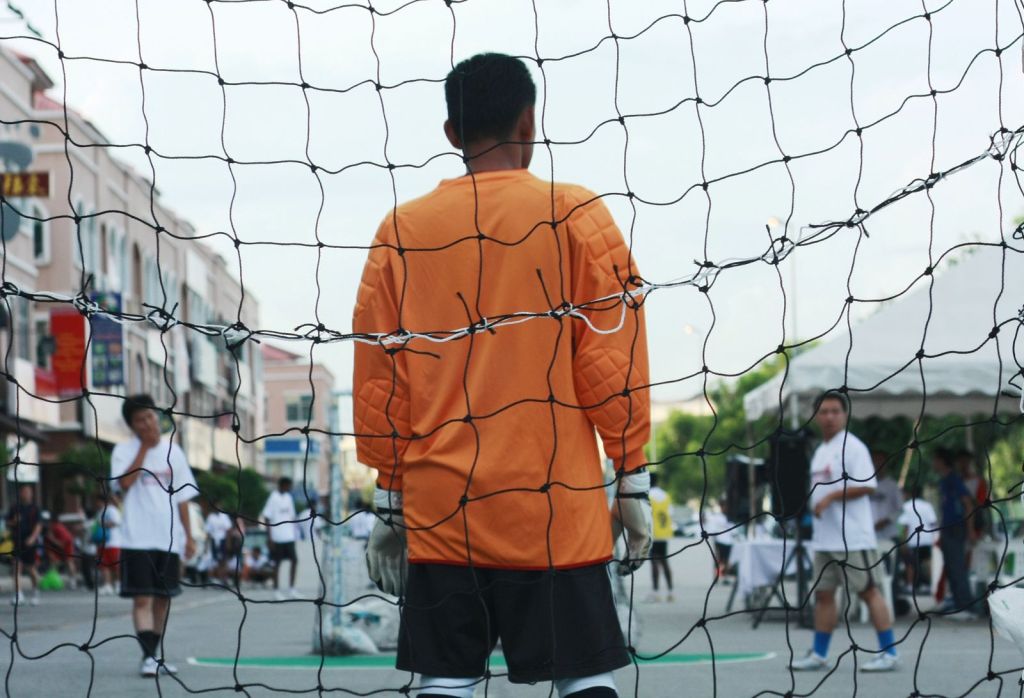
Brazilian footballers are world-renowned for their skillful style. One possible secret to their success? Futsal.
Futsal is very similar to traditional football with some key differences. It’s played with a smaller ball, on a smaller pitch, with fewer players and is extremely popular on the streets of Brazil. Youngsters play the sport, morning, noon and night.
Football is played by youngsters on streets all over the world, so what makes these brazilian players different?
They are engaging in deliberate practice.
The smaller pitch and ball means players in futsal touch the ball up to 6 times more often per minute (2) than traditional football players. This allows up to 6 times more opportunities to practice. The game is faster, requires sharp, quick passes and ultra-fast decision making. Feedback is immediate, either your team-mate receives the ball, you score a goal or the opposition intervenes. This is repeated again and again throughout a match giving ample opportunity to re-adjust, change technique and try again.
When these futsal players move to a bigger pitch and ball in traditional football it’s like hitting the slow-motion button. They suddenly have way more time and space to make the same decisions, giving them a huge advantage against opponents.
The Inventor of Practice
Ben Hogan, an american professional golfer in the 1930-1970s. He is considered by some to be the best golfer in the world. He accredits his success to practice, with some even saying he “invented practice”.
Hogan had a tendency to hook to ball, a detriment to his game. He decided this wasn’t good enough and worked tirelessly on his golf swing to improve.
He broke the swing down into 5 distinct steps and worked on each separately. He hit ball after ball, analysing every shot working on each part of his swing until they were perfect.
At the time, this was revolutionary, no one had broken a gold swing down into parts before. With his hours of deliberate practice he quickly rose to the top of the golfing world winning a total of nine major championships. To date, many still think of him as the best ball striker in golfing history.
What does the research say?
Ericsson is the father of deliberate practice. His paper in 1993 ‘The Role of Deliberate Practice in the Acquisition of Expert Performance’ (3) was the first time deliberate practice has made its way into the research. The concept itself was nothing new, throughout history people have engaged in various methods of deliberate practice. Ericsson and his team were simply the first researchers to investigate it and document the phenomenon.
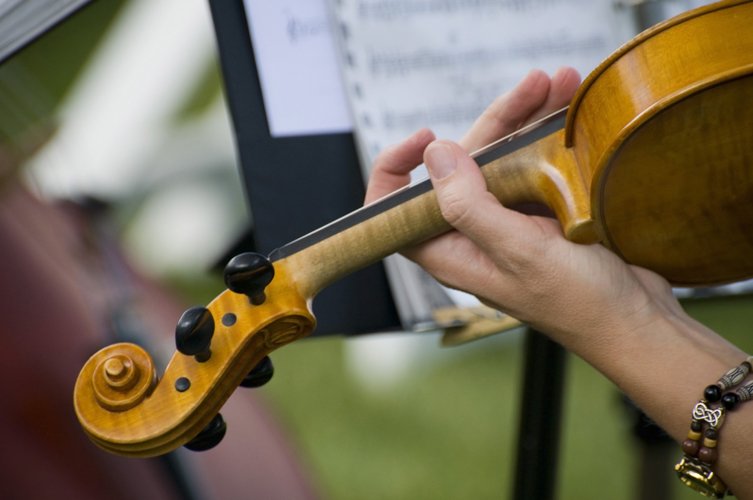
The initial paper looked at practice in two different studies. Violinists and pianists were interviewed, kept diaries documenting the amount of time spent in various musical and non musical activities. The groups involved a range of abilities, ametuer musicians, music teachers and international expert performers.
Unsurprisingly, practice was listed as the most important aspect in improving performance. However, whilst all musicians recognised the importance of practice, duration and methods of practice varied. Expert performers conducted more practice than amateurs and spent more time engaged in musical activities described as less enjoyable.
From these studies and other literature about experts in a range of domains including music, chess and sport some common factors arose. Further research over the past 30 years has built upon this. They found some common factors of deliberate practice (1,3,4,):
- The higher the amount of deliberate practice, the higher the skill level of an individual
- Deliberate practice is effortful and requires full concentration throughout. Experts tend to practice early in the morning when the mind is fresh
- Deliberate practice is often not enjoyable and hard work. It is usually not done for more than 1 hour at a time
- There is no benefit seen in doing more than 4-5 hours of deliberate practice per day. In fact in some sports and activities where physical demands are high (think sprinting, gymnastics) the limit is even lower
- Experts place a great importance on rest and recovery with many taking naps after training to maximise the benefits of deliberate practice and ensure adequate recovery
- Feedback is an essential part of deliberate practice. This can be systematic (e.g. how fast you ran, how far you threw etc.) or objective (from a teacher or a coach).
Whilst Ercisson’s initial research looked at practice in musicians further studies have been done in a range of different professions. The world of sport has well and truly adopted the ideas of deliberate practice. Studies have looked at football players, cricketers, golfers, figure skaters and even officials and referees amongst many others.
Deliberate Practice in Medicine
The benefits of deliberate practice are being investigated in medicine. Feedback is at its most extreme in medicine. You get a decision right, someone lives, you get it wrong, they can have a medical emergency or even die. Senior consultants and experienced medical staff have honed these decision making skills, newly trained junior doctors find the process much harder.
Medical training is utilizing the benefits of deliberate practice to accelerate the learning of students and improve their decision making skills (5). Case-studies, scans of previous patients and patient simulations are all being used to re-create real life scenarios for students. This allows them to practice in a safe environment where the stakes are lower. Immediately students can receive valuable feedback based off real life outcomes.
Deliberate practice is a powerful tool for accelerating learning and achieving results. Sport has fully embraced the concept and athletes all over the world are reaping the benefits. Other fields are using deliberate practice and it can be applied to all aspects of life. If there’s a skill you want to improve, deliberate practice can help you get there.
What does it mean to you?
So you’re sold. Deliberate practice is the way forward, but how can you actually use it in your life? Based on my take on the research here are my 8 steps to deliberate practice:
- Identify a skill you want to improve. This doesn’t have to be sport related, Deliberate practice can be applied to any skill you are interested in. Break this skill down into smaller parts, work on each part separately. (Example: baking: choosing ingredients, flavour combinations, technical skills such as kneading, folding etc., timing, decorating etc.).
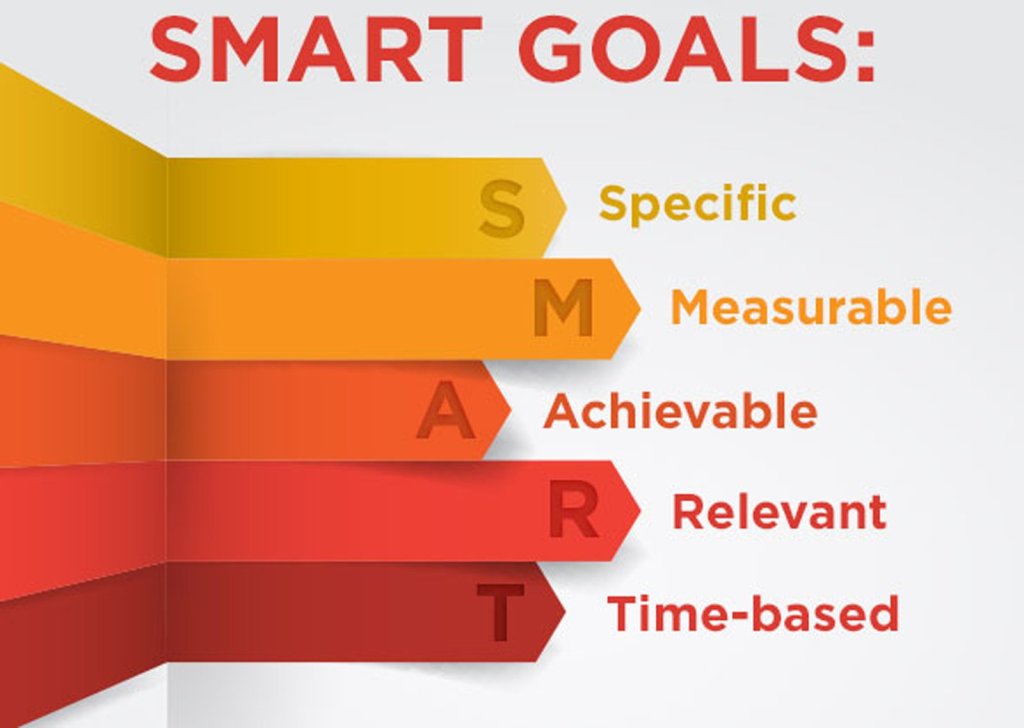
- Set a SMARTER goal (Goals that are specific, measurable, attainable, realistic, timed, evaluated, rewarding; more details to come in another blog).
- Find an expert. Best case scenario find a teacher or a coach, someone to give you constant feedback. Realistically, time and funds means it’s not always possible to hire someone to be a coach. Think creatively. The internet is a wonderful place, use it. Watch youtube videos of the expert you aim to be, read blogs, follow guides, whatever is most applicable to your chosen skill.
- Dedicate some time. Don’t practice in the morning if your a natural night owl and don’t work late if you’re an early bird. Deliberate practice is hard work, you need to be firing on all cylinders and in the best possible mind space to concentrate.
- Engage your mind. The critical difference between practice and deliberate practice is avoiding the mindless repetition. You are wasting your time if you just blindly practice with no thought going into it. If you make a mistake, go back, do it again.
- Get feedback and act on it. Feedback is the secret ingredient to deliberate practice. The best feedback will come from a coach or mentor, watching you and picking up on changes you can make to technique and form. If you can’t access a coach, all is not lost. Feedback can simply be the number of reps you do, the number of sales you achieve. Self-reflection can help, want to become a fantastic public speaker? Think back to a recent presentation, what went well? What didn’t? Why? Work your weaknesses into a new goal for deliberate practice.
- Don’t overdo it. Remember deliberate practice is supposed to be hard, it stretches you out of your comfort zone and that can be exhausting. Start small, don’t practice for long periods of time and remember rest is your best friend (enjoy the valid excuse for a nap!).
- Maintain motivation. Motivation needs to be at the core of every step of your deliberate practice. The very nature of deliberate practice means you will fail, again and again. Great! This is where all that feedback can kick in and help you improve. Staying motivated during the long hard slog of deliberate practice is hard. Use your SMARTER goals to help, read success stories, create a badass playlist to wake you up and get you going, whatever it is you need to do to stay motivated. Routines will help, practice the same time everyday. Discipline is easier to maintain than motivation when the going gets tough.
Final Thoughts
Deliberate practice won’t make you an expert at anything overnight. That’s not how it works. But if there’s a skill you want to improve and you’ve hit a dead end, deliberate practice can help you move forward. It’s not a quick fix and it’s certainly not easy but it can be very powerful. Give it a try, hopefully you’ll see that deliberate practice does indeed make perfect.
References
- Lidor, R., Tenenbaum, G., Ziv, G., & Issurin, V. (2016). Achieving expertise in sport: deliberate practice, adaptation, and periodization of training. Kinesiology review, 5(2), 129-141.
- Thomas Reilly (2005) An ergonomics model of the soccer training process, Journal of Sports Sciences, 23:6, 561-572, DOI: 10.1080/02640410400021245
- Ericsson, Karl & Krampe, Ralf & Tesch-Roemer, Clemens. (1993). The Role of Deliberate Practice in the Acquisition of Expert Performance. Psychological Review. 100. 363-406. 10.1037//0033-295X.100.3.363.
- Ericsson, Karl. (2006). The Influence of Experience and Deliberate Practice on the Development of Superior Expert Performance. 10.1017/cbo9780511816796.038.
- D Gould (2010). Using simulation for interventional radiology training. The British Journal of Radiology 83:991, 546-553
Further Reading
Peak: Secrets from the New Science of Expertise. K. Anders Ericsson
The Talent Code: Greatness Isn’t Born. It’s Grown. Here’s How. Daniel Coyle



 The Everyday Sport Scientist